Drift
Capable people, working inside accepted standards, drift into failure when a phase of the Ishi Spiral goes missing or is corrupted.
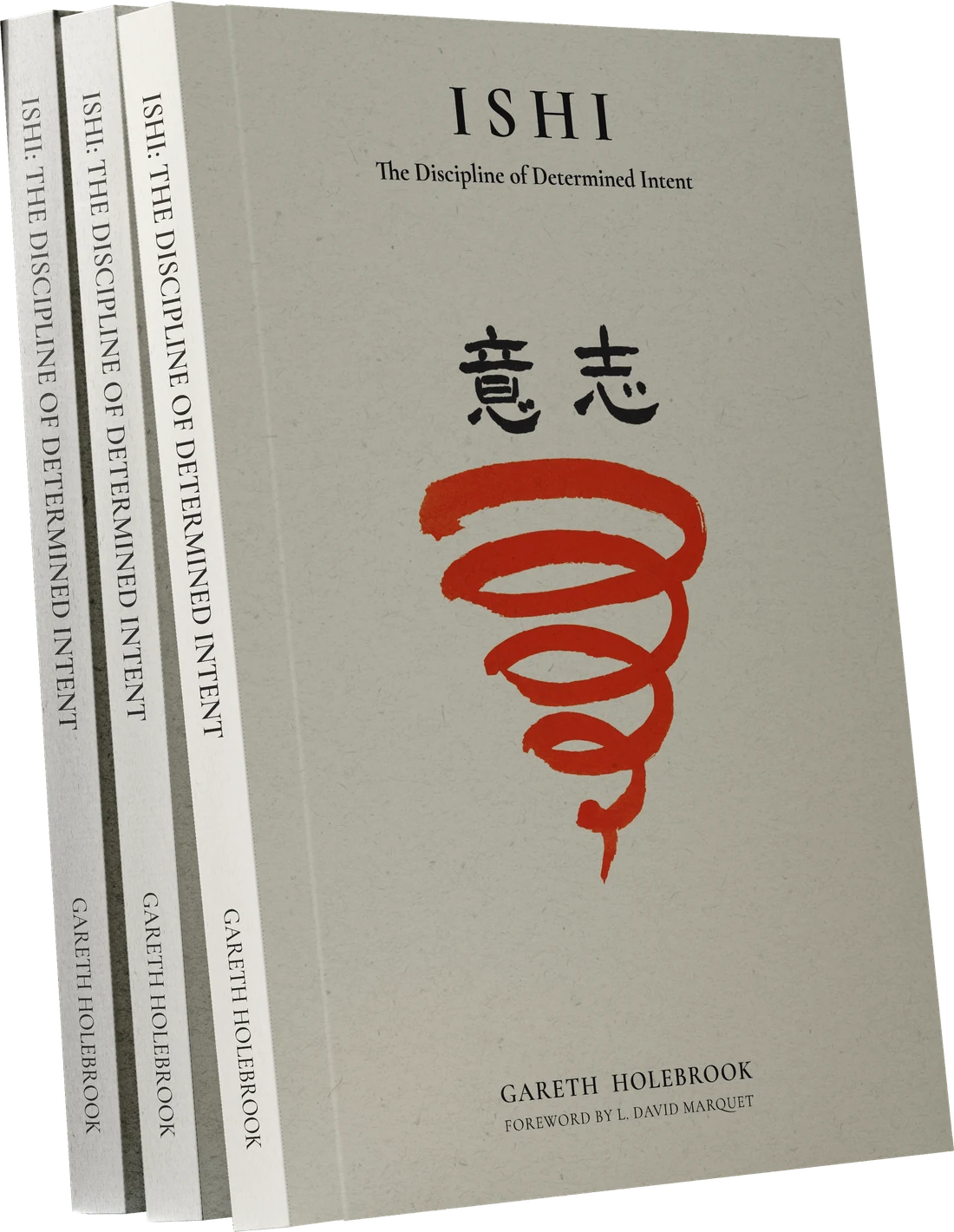
Part IV of Ishi: The Discipline of Determined Intent reads 6 organisational failures through the Ishi Spiral. It opens with an epigraph attributed to Matsura Seizan.
There may be mysterious victories. There are no mysterious failures.
The purpose is pattern recognition. Organisational failures are loud, and reports, timelines and consequences make drift easy to see. The same erosion happens inside a single life, where it is still correctable.
- HMNZS Manawanui, 2024Forge. Practice decayed into routine. The Royal New Zealand Navy vessel ran aground on a reef off Samoa in October 2024 and later sank. The Court of Inquiry, which reported in April 2025, traced a chain of small failures through the watch. The matter is currently in court martial, so any judgement about individuals is provisional.
- Bonza Aviation, 2021 to 2024Persist without Reflect. Aircraft deliveries slipped, schedules shifted and customer communication fractured, and the signals were treated as noise. Bonza went into voluntary administration in April 2024, and reflection followed the collapse.
- American Apparel, 1989 to 2016Persist without boundaries. Mission and personality had fused, and the response to rising pressure was to push harder. The company entered bankruptcy in 2015 and again in 2016.
- Wirecard, to 2020Reflect actively resisted. In June 2020 Wirecard admitted that €1.9 billion recorded on its balance sheet did not exist, and within days it was insolvent. Critics inside the company were isolated, and critics outside were dismissed as short-sellers.
- Kodak, to 2012The link between Decide and Reflect broke. Kodak kept refining film with increasing precision, while the question of whether film was still the right system to optimise went without sustained attention. It filed for bankruptcy in 2012.
- HMS Artemis, 1971Forge turned ceremonial. The Royal Navy submarine sank at her moorings in Gosport in July 1971. The Board of Inquiry found no material defect and no structural weakness, and put the loss down to basic standards of submarine practice slipping.
Taken together, the cases show failure coming from gradual misalignment. Those involved were intelligent, trained people doing what was believed to be reasonable work. Intent evaporated while activity continued, and the systems kept moving long after awareness had stopped keeping pace.
The same dynamics play out at an individual level, with smaller budgets and less obvious consequences: a training plan that no longer serves, a career that has drifted from purpose, a habit that once worked and now consumes energy. The Ishi Spiral exposes decay early enough to act on it.
The case studies are preceded by a piece of calligraphy, Kyakka: look beneath your own feet. Which phase has had the least attention in the work under way now?
Read the original
Weekly Ishi 17: When the Spiral Breaks
Ishi on Substack. The 6 case studies at fuller length, each with its dominant failure and its sources.